
- Thu, Oct 2025
- |
- Moran's Landscaping & Excavation LLC
Confront the challenges of nature head-on as we explore a pressing issue for many residents of Kitsap County: soil erosion. With its stunning landscapes and varied terrain, Kitsap offers beauty but also faces soil instability. This process can harm your property, weaken foundations, and turn your garden into a muddy area. Fortunately, there is a solid solution. By using strategic retaining wall systems, homeowners can stabilize their land while improving the visual appeal of their outdoor spaces. Explore the advantages of retaining walls, a reliable way to prevent soil erosion through retaining wall techniques suited to Kitsap’s unique topography. From terraced gardens to sturdy barriers guarding rain-prone slopes, these structures combine form and function. Learn how this landscaping feature can protect your property while blending into your natural surroundings. Whether you manage a steep hillside or wish to add structure to your yard, the right retaining wall will preserve your landscape’s integrity.
Understanding the Impact of Soil Erosion in Kitsap County
Steep slopes, strong rains, and human activity accelerate soil erosion in Kitsap County. When topsoil erodes, it reduces lawn fertility, weakens foundations, and increases flood risk. Vegetation loss speeds runoff, carrying sediment into waterways and harming fish habitats. Erosion scars make hillsides unstable and less appealing. Tackling this problem early saves time, money, and stress. Local research shows unaddressed erosion can damage driveways, walls, and home bases. Lost topsoil cannot be easily replaced, reducing long-term landscape health. By spotting warning signs like pooling water or exposed roots, homeowners can act in time. Installing a well-built retaining wall helps stabilize slopes, slow runoff, and protect your property’s foundation. To learn more about custom solutions, visit our retaining wall page.
Benefits of Implementing Retaining Walls in Soil Erosion Prevention
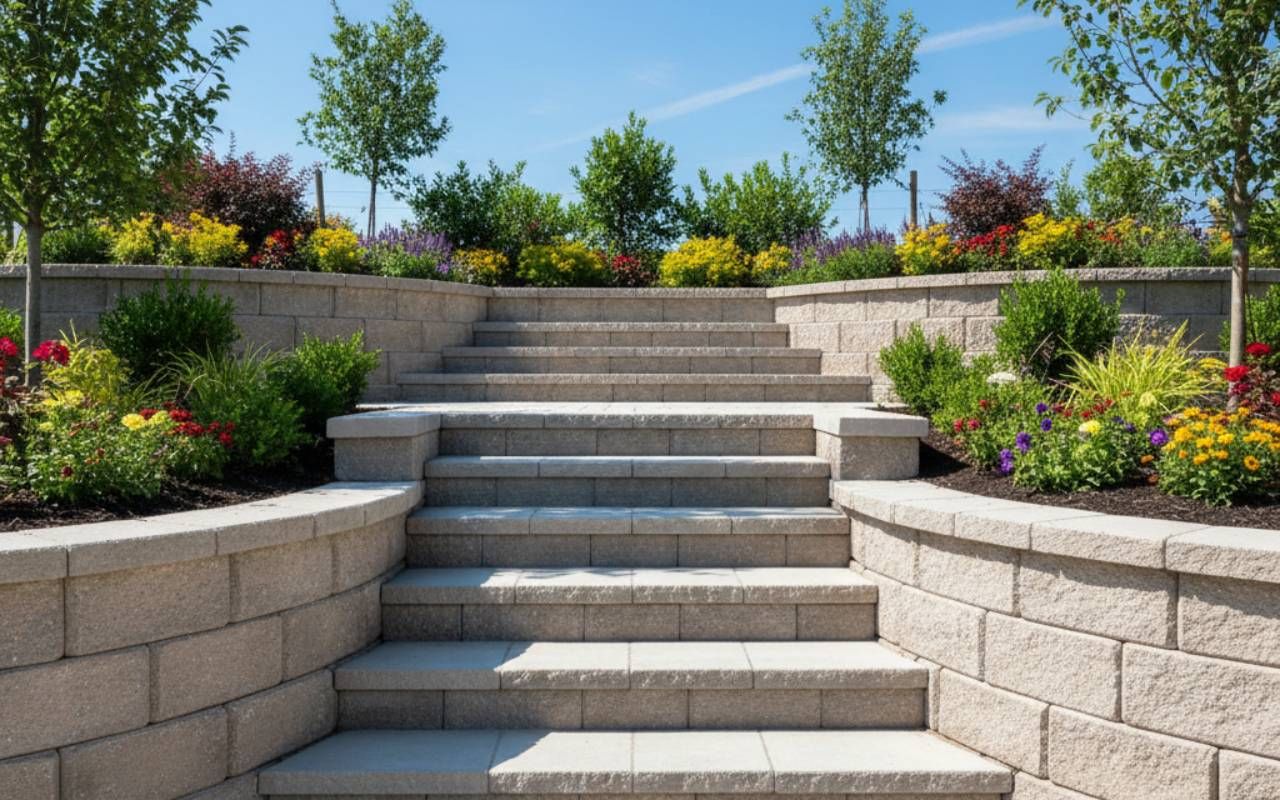
A retaining wall stabilizes slopes by holding soil that might otherwise slide. This engineered structure balances soil pressure, preventing landslides and controlling runoff. With built-in drainage systems, it directs water away from foundations. As a result, it reduces pooling and prevents damage. A retaining wall also adds beauty and usability to sloped yards, turning them into terraces for gardens or patios.
- Improved land stability and erosion control
- Enhanced property value and visual appeal
- Better water drainage and reduced runoff velocity
By preventing soil erosion with retaining walls, homeowners in Kitsap strengthen their properties. You can explore material options and inspiration by visiting our railroad ties retaining walls page for practical designs.
Types of Retaining Walls Suitable for Kitsap’s Terrain
Gravity walls use heavy stone or concrete to resist soil pressure and fit moderate slopes. Cantilevered walls rely on reinforced bases, perfect for taller structures. Anchored walls use steel tendons for additional strength, while sheet piling works well for narrow areas. Natural-looking timber or gabion baskets filled with rock blend into wooded surroundings.
- Gravity retaining walls for moderate slopes
- Cantilevered retaining walls for taller applications
- Anchored and sheet piling walls for limited spaces
Choosing the right retaining wall type depends on slope, soil composition, and design needs. Visit our guide on different types retaining walls for a detailed breakdown.
Choosing the Right Materials for Your Retaining Wall
Natural stone provides strength and timeless charm, ideal for forested Kitsap landscapes. Concrete blocks offer precision and easy installation, while timber gives rustic appeal. Gabion baskets with local rock ensure flexibility and great drainage. Whichever material fits your style, confirm its compatibility with soil and climate. For guidance on techniques, explore how build retaining wall railroad ties to ensure lasting results.
Design Considerations for Effective Soil Erosion Control
Proper drainage ensures your retaining wall lasts. Weep holes and gravel backfill reduce water buildup. Site grading directs runoff away from vulnerable zones. Following Kitsap’s regulations, include slight backward lean for stability. Adding vegetation pockets or stepped designs enhances appearance while helping control erosion. For region-specific insight, check our retaining wall services poulsbo wa page.
Construction Process: Building a Sturdy Retaining Wall
Begin by analyzing soil type, slope, and water flow. Excavate below frost depth, compact the base, and start the first course carefully. Backfill and compact in layers while installing drainage pipes. Check alignment as you build. Cap the wall and regrade surroundings to encourage proper water movement. Following professional standards ensures durability and safety.
Maintenance Tips to Ensure Longevity of Your Retaining Wall
Inspect your retaining wall regularly for cracks or movement. Clear drainage channels and keep weep holes free. Cut back vegetation roots near the wall. In Kitsap’s rainy seasons, clean leaves to prevent buildup. Apply sealant to timber and repair mortar when needed. Consistent care extends the wall’s lifespan and effectiveness. Learn more about professional upkeep by visiting our retaining wall services bainbridge island wa page.
Enhancing Curb Appeal Through Creative Retaining Wall Designs
Terraced walls add depth and make gardens stand out. Integrated lighting or seating turns functional walls into relaxing spaces. Mix materials for contrast or style. Green walls bring a natural feel, softening the structure and promoting biodiversity. Each retaining wall becomes part of your landscape’s story, uniting strength and style.
FAQs
What are the main benefits of a retaining wall?
A retaining wall prevents soil movement, improves drainage, and enhances outdoor design with stability and structure.
Can retaining walls help during heavy rain?
Yes, they channel water through drainage systems, preventing soil washout and protecting your property from erosion.
Which materials work best for Kitsap’s environment?
Natural stone and reinforced concrete perform well due to their durability and weather resistance in the region’s climate.
How long does a retaining wall last with proper maintenance?
Depending on material and care, a retaining wall can last several decades while maintaining functionality and beauty.
How do I start a retaining wall project?
Begin with a site assessment and design plan, then contact professionals through our contact page for expert advice and assistance.
Safeguarding Your Property with Retaining Wall Solutions
Retaining walls are essential for preventing erosion and stabilizing slopes. Selecting the right design, drainage, and materials ensures longevity and protection. By embracing these retaining wall solutions, you preserve your property’s structure and visual harmony. Invest in a solution that strengthens your land while complementing Kitsap’s natural beauty. Ready to transform your yard? Reach out today through our contact page to start your retaining wall project.