
- Fri, Sep 2026
- |
- Moran’s Landscaping & Excavation LLC
Late summer can leave a lawn tired after months of sun, mowing, and dry weather. Learning the main late summer lawn stress signs helps you notice trouble before thin, brown, or weak areas spread.
At Moran’s Landscaping & Excavation LLC, we look at color, soil moisture, and root strength before choosing the next step. A careful check can show whether your grass needs simple care, recovery work, or professional support.
Common Warning Signs Across Your Late Summer Lawn
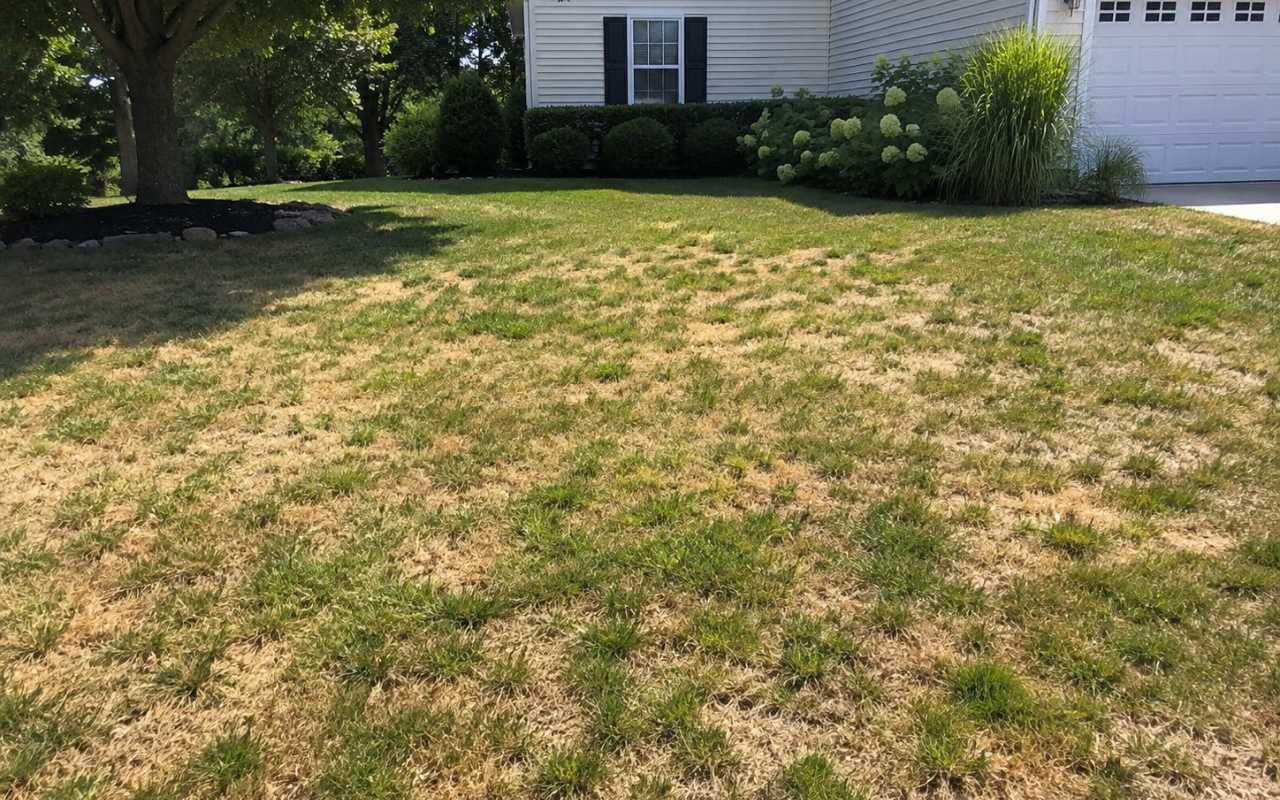
One of the first late summer lawn stress signs is a change from healthy green to dull green, yellow, or brown. Grass may also look thin or flat, especially near sidewalks and driveways where heat builds faster.
Other signs include footprints that stay visible, dry blade tips, and patches that do not improve after watering. These changes can point to heat, dry soil, weak roots, or another problem.
- Color fading in sunny areas
- Grass blades folding or staying flat
- Brown edges near hard surfaces
Heat And Drought Stress Affect Your Grass Differently
Knowing heat stress vs drought stress makes it easier to choose the right care. Heat stress can appear even when soil has moisture because grass cannot cool itself well during very hot weather.
Drought stress happens when soil lacks enough water. Grass may turn tan, stop growing, or feel crisp. Our summer lawn care tips can help you adjust care during hot and dry periods.
Shallow Roots Create Weak And Thirsty Grass Quickly
Shallow root symptoms often include grass that pulls up easily, dries quickly, or struggles soon after watering. When roots stay near the surface, they cannot reach deeper moisture during hot weather.
Compacted soil can make this worse. Aeration may open the soil and give roots more room to grow. Review our healthy lawn guidance for simple ways to support stronger turf.
- Grass lifts with a gentle tug
- Roots stay near the soil surface
- Soil feels hard below the surface
Simple Recovery Steps Can Support Stressed Grass Growth
Early action can improve patchy grass recovery before damaged areas grow. Start by removing heavy debris and excess thatch so air and water can reach the soil. Then check whether compacted areas need light aeration.
After that, seed thin spots with grass suited to local conditions and keep new seed evenly moist. If sections are badly damaged, our guide on repairing dead lawn areas explains useful next steps.
Better Watering And Mowing Can Reduce Summer Damage
Deep, less frequent watering usually supports stronger roots better than short daily watering. Early morning is often best because less water is lost to heat. These habits can reduce late summer lawn stress signs.
Mowing also matters. Keep grass a little taller during hot periods, use a sharp blade, and avoid cutting too much at once. Our lawn care service options support steady growth.
- Water deeply instead of using light sprays
- Mow with a clean, sharp blade
- Leave enough height to shade soil
When Professional Lawn Inspection Becomes The Best Choice
Some late summer lawn stress signs can look alike, making the cause hard to confirm. A lawn inspection servicecan help separate moisture problems from pests, poor soil, weak roots, or nutrient issues.
At Moran’s Landscaping & Excavation LLC, we focus on the whole lawn before recommending work. If patches spread, grass dies suddenly, or recovery stays uneven, a professional review can prevent wasted effort.
Frequently Asked Questions
How can I tell if grass has heat stress?
Heat-stressed grass may curl, wilt, fade, or stay limp after watering. Check the soil too, because heat stress vs drought stress depends on whether enough moisture remains below the surface.
What do weak lawn roots usually look like?
Common shallow root symptoms include grass that pulls up easily, dries fast, and has roots close to the soil surface. Hard or compacted ground often makes these symptoms worse.
Can brown lawn patches become green again?
Yes, patchy grass recovery is possible when crowns and roots are still alive. Watering, aeration, seeding, and better mowing can support recovery, depending on the cause and damage.
When should I request a professional lawn check?
Consider a lawn inspection service when damage lasts for several weeks, spreads quickly, or does not respond to basic care. An inspection can help identify the source.
Should I fertilize stressed grass in late summer?
Avoid guessing. Fertilizer can add more stress when grass is very dry or heat-damaged. Check soil and lawn condition first, then choose a treatment that fits the need.
Build A Healthier Lawn Before Late Summer Ends
Watching for late summer lawn stress signs gives you more time to protect weak areas before fall. Good watering, careful mowing, healthy roots, and early repair can help grass finish the season in better condition.
At Moran’s Landscaping & Excavation LLC, we can help when home care is not enough. Use our contact page to discuss persistent stress, uneven recovery, or a lawn inspection service for your property.