
- Thu, Oct 2025
- |
- Moran's Landscaping & Excavation LLC
Navigating the process of choosing materials for retaining walls in Kitsap County can feel like walking through a labyrinth of choices. With its unique climate and diverse terrain, homeowners must make informed decisions to ensure durability and visual appeal. Each option, from concrete blocks to natural stones, brings its own strengths and challenges. This guide explores how to select the right materials, providing valuable insight for your next landscaping project.
Whether you are an experienced DIY enthusiast or a newcomer, understanding Kitsap County’s local conditions is essential. Factors such as soil type and weather patterns play vital roles in material selection. By exploring these considerations, you can make confident decisions that blend beauty and performance seamlessly into your landscape. For expert assistance, consider visiting retaining wall specialists who can guide your project from concept to completion.
Climate Considerations in Kitsap County
Assessing the maritime climate of Kitsap County is critical when choosing materials for retaining walls. Coastal influences bring frequent rain, moderate temperatures, and occasional strong winds. Materials must resist moisture intrusion and endure freeze-thaw cycles that can lead to cracks or shifting. Proper drainage helps relieve pressure behind the wall, preventing damage during storms.
Long-term weather patterns also matter. Winters rarely stay below freezing for long, yet repeated freeze-thaw events can stress porous materials. Summers are mild, which limits thermal expansion but does not eliminate it. Understanding microclimates, from coastal zones to elevated inland areas, enables homeowners to pick retaining wall materials that withstand moisture, prevent erosion, and remain stable year after year. For professional support, explore retaining wall services Poulsbo WA.
Types of Retaining Wall Materials
Exploring available options when choosing materials for retaining walls reveals choices ranging from manufactured blocks to stone, timber, and eco-friendly systems. Each material differs in strength, installation ease, appearance, and environmental impact. Understanding these differences helps you make informed selections that suit your design and site conditions.
- Railroad ties retaining walls offer a rustic aesthetic and functional strength.
- Concrete blocks provide uniformity and long-lasting stability.
- Natural stones enhance landscapes with organic beauty and texture.
- Wood delivers traditional charm but needs consistent maintenance.
Learning about these categories simplifies your search for the perfect match, ensuring both form and function thrive in Kitsap County’s landscapes.
Concrete Blocks: Pros and Cons
Concrete blocks deliver consistent strength and dependable results in variable conditions. Their modular design ensures easy installation and uniform patterns that appeal to many homeowners. Additionally, color-infused or textured options allow for custom aesthetics that blend into gardens and modern landscapes.
However, concrete blocks may appear too uniform for natural designs. They can show white mineral deposits due to moisture, so sealing and drainage are essential. Still, for durability and low maintenance, they remain a top contender when choosing materials for retaining walls in Kitsap County’s damp climate.
Natural Stone: Aesthetics and Durability
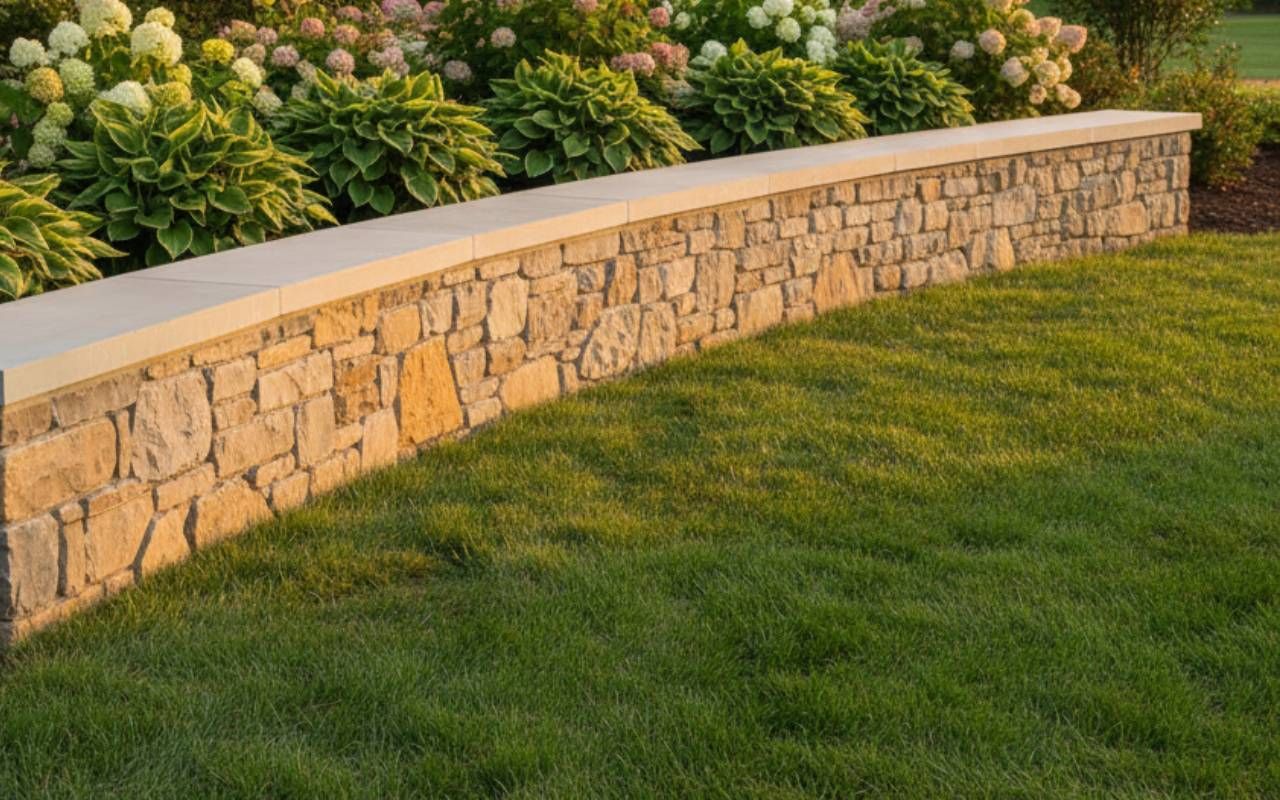
Natural stone provides an unmatched combination of strength and visual elegance. Options like granite, basalt, and sandstone integrate seamlessly into forested settings. In Kitsap County, natural stone walls harmonize beautifully with native greenery, creating a timeless look.
Though stone installation requires skilled labor and strong footings, the payoff is exceptional longevity and distinctive beauty. If you value lasting craftsmanship, explore different types retaining walls for design inspiration and insight into how natural stone can enhance your landscape.
Wood: Traditional Appeal vs. Maintenance Needs
Wood remains a popular choice for its organic warmth and inviting appearance. Treated pine and cedar resist decay better than untreated varieties, making them suitable for Kitsap County’s environment. Installation is often simple, allowing homeowners to shape timber walls quickly.
Nonetheless, wood requires routine maintenance to prevent rot, warping, and pest damage. Regular sealing keeps its charm intact. Although maintenance adds effort, the natural look can perfectly complement rural or forested properties. Learn more about installation best practices through how build retaining wall railroad ties.
Gabion Walls: Modern and Eco-Friendly Option
Gabion walls offer a sustainable, flexible design that adapts to the terrain. These structures, made of wire cages filled with stone or recycled material, manage ground movement effectively. Their permeable nature minimizes water pressure, making them ideal for rain-heavy regions like Kitsap County.
Beyond functionality, gabions have a modern yet natural aesthetic. They use local materials and blend effortlessly with various design styles. Installation may require time but delivers a durable, eco-friendly solution—an innovative choice when choosing materials for retaining walls.
Cost Comparison of Different Materials
- Concrete blocks: Moderate cost, easy installation, minimal maintenance.
- Natural stone: Higher labor costs but exceptional longevity.
- Wood: Lower initial investment yet ongoing care required.
- Gabion walls: Moderate materials, labor-intensive setup.
When comparing materials, consider both short- and long-term costs. Maintenance, lifespan, and aesthetics influence total value. In Kitsap County, thoughtful budgeting ensures your investment supports a durable, beautiful structure. For expert guidance, reach out through the contact page to consult experienced professionals.
Compatibility with Soil Types in Kitsap County
Soil conditions significantly impact performance when choosing materials for retaining walls. Kitsap County features diverse soils, from silty loam to sandy compositions. Materials that allow proper drainage, such as gabions or porous blocks, prevent water pressure buildup in dense soils.
Expansive clays require flexible systems that adapt to soil movement, while sandy soils benefit from compacted bases and sturdy footings. Consulting with soil experts ensures long-term stability. Using locally relevant designs reduces risks and enhances durability, especially in the county’s variable terrains.
Design and Aesthetic Factors to Consider
- Match material color and texture to surrounding landscape elements.
- Use stepped or tiered walls to soften height and enhance proportions.
- Incorporate lighting and greenery for functionality and style.
Balancing design and purpose ensures that retaining walls elevate outdoor spaces both structurally and visually. The right materials connect harmoniously with patios, pathways, and gardens, creating cohesion throughout your landscape. For inspiration on integrating design and durability, explore retaining wall services Bainbridge Island WA.
FAQs
What factors influence choosing materials for retaining walls in Kitsap County?
Climate, soil type, and design goals are key. Each factor affects drainage, stability, and overall wall longevity.
How does Kitsap County’s weather impact retaining wall materials?
Frequent rain and mild temperatures demand moisture-resistant materials and proper drainage for long-term stability.
Can wood retaining walls last in Kitsap County?
Yes, with regular maintenance. Treated wood and sealants help prevent decay in humid coastal conditions.
Are gabion walls suitable for residential projects?
Absolutely. Gabion walls are durable, eco-friendly, and adapt well to Kitsap County’s wet climate.
Why consult professionals when choosing materials for retaining walls?
Experts provide site assessments and design advice that ensure structural integrity and long-term performance.
Making the Right Choice
Understanding Kitsap County’s climate, soil, and design aspects enables better decisions when choosing materials for retaining walls. Whether you value aesthetics, durability, or sustainability, selecting the right material creates balance and functionality. Collaborating with local specialists ensures your retaining wall remains beautiful and strong. Get personalized guidance by contacting contact the team today to start your project with confidence.