
- Tue, Feb 2026
- |
- Moran's Landscaping & Excavation LLC
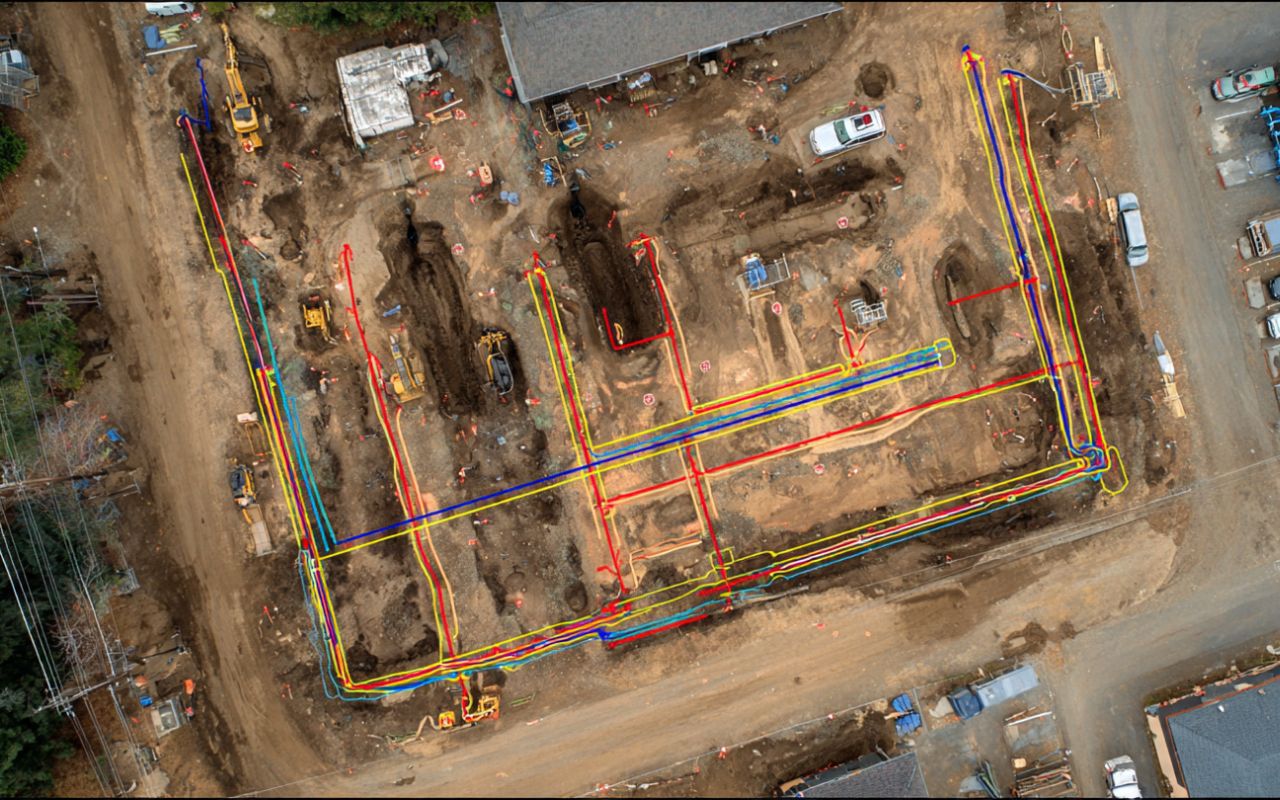
Picture a basic yard in Kitsap County turning into a clean path for essential service lines. Utility trenching can make that happen. However, it takes careful planning, steady digging, and strong safety steps. Utility trenching excavation for Kitsap also needs attention to local rules, so your work stays smooth and avoids costly errors.
This guide breaks the process into clear, doable steps. You will learn how to plan, protect service lines, and keep crews safe. As a result, you can finish faster and with fewer surprises. Utility trenching excavation for Kitsap becomes simpler when each step is done with care and consistency.
Understanding Utility Trenching in Kitsap County
Utility trenching excavation for Kitsap means cutting narrow channels for pipes and cables that serve homes and businesses. These service lines can include water, gas, power, and communications. Since Kitsap County has coastal zones, wooded areas, and neighborhoods, soil types can change fast. Therefore, trench stability and dig methods must match the ground.
Moran’s Landscaping & Excavation LLC helps crews plan for local conditions, including rain and drainage concerns. Also, calling the utility locating service before digging is a must. That step lowers the risk of strikes, delays, and repairs. In addition, it supports a safer jobsite from the first day onward.
- Trenches support water, gas, electric, and communication service lines
- Soil changes affect wall stability and equipment choices
- Marking utilities reduces risk and avoids shutdowns
Planning Your Utility Trenching Project
Before equipment arrives, map the route for each service line and note obstacles. For example, driveways, trees, and property edges often shape the plan. Next, confirm depth needs for each line, because they can differ by utility. Moran’s Landscaping & Excavation LLC can help align the plan with local site realities.
Costs matter, so build a simple budget early. Include labor, equipment, soil handling, safety gear, and permits. Also, plan extra time for rock, groundwater, or buried debris. As a result, your schedule stays realistic and your team stays prepared.
- Create a basic site map with routes and obstacles
- Confirm depth needs for each utility
- Plan for extra time if soil or water creates delays
Permits and Local Compliance in Kitsap
Many trenching jobs need permits from local offices. So, contact the county or city early to learn what forms and inspections apply. Missing permits can stop work and raise overall costs. Moran’s Landscaping & Excavation LLC can support a permit-ready approach by keeping plans organized and easy to review.
Compliance also includes trench safety rules. For instance, deeper trenches often need sloping, shoring, or trench boxes. In addition, clear access points protect crews and keep inspectors confident. When safety and paperwork align, projects move forward with fewer setbacks.
- Check permit needs before digging begins
- Follow trench protection rules for deeper cuts
- Schedule inspections so work stays on track
Choosing Equipment for Utility Trenching
The right machine makes work cleaner and safer. Small jobs may use handheld tools or a mini-excavator, while larger work may require a trencher or backhoe. Choose equipment based on trench width, depth, and soil conditions. That way, you avoid overdigging and reduce disruption.
Renting can control costs on one-time projects, yet owning may help if work is frequent. Also, trained operators matter. Proper technique lowers fuel use, limits damage risk, and supports safer workflows. If you want a broader view of excavation methods, explore different types of excavation to compare approaches.
Safe Digging Practices for Service Lines
Safety should lead every decision. First, call for utility marking so crews know where lines are located. Next, hold a short safety review to cover hazards, roles, and emergency steps. Even a few minutes of coordination can prevent injuries and costly mistakes.
During trenching, watch wall conditions for cracks or shifting. Keep heavy equipment back from the edge to reduce collapse risk. Also, use ladders or safe access points for deeper trenches. Since weather can change fast in Kitsap, plan for rain, water buildup, and soft soils.
Protecting and Securing Service Lines
After you place pipes and conduits, protection becomes the priority. Use soft bedding, like sand or fine gravel, under service lines to prevent damage. Then confirm alignment, level, and slope where needed. Small placement errors can lead to leaks and rework later.
Add warning tape above the lines to alert future digging. In high-risk areas, use barriers to reduce damage risk. Also, secure pipes and cables before backfill so they do not shift. This steady approach supports long-term reliability and safer repairs in the future.
Handling Unexpected Issues During Excavation
Obstacles happen, so plan for them. You might hit rock, old debris, or high groundwater. When that happens, pause and reassess. Sometimes rerouting is safer, while other times careful removal is best. Pumps can also help keep trenches dry and stable.
Unexpected conditions can raise costs, so keep a contingency buffer. Also, communicate with inspectors and utility contacts if plans must change. If the ground needs reshaping to improve flow after trenching, review yard grading and drainage to support better site performance.
Quality Checks and Inspections
Quality control works best when it happens early and often. After digging, confirm trench depth and width match your plan. Then verify walls and protection systems meet safety needs. These checks reduce rework and help inspections move smoothly.
Once service lines are placed, schedule the required inspection before backfilling. Inspectors will often confirm layout, protection, and code alignment. Documenting steps with photos and notes can also help later. Good records support smoother future repairs and upgrades.
Backfilling and Restoring the Site
Backfilling protects service lines and restores the surface. Start with fine material around pipes and cables, then compact in thin layers. Use hand tools near the lines and stronger compactors above. This reduces settling and helps avoid future dips in the ground.
Restore the surface to match the surrounding area. Replace topsoil, reseed grass, and control erosion where needed. In paved areas, repair surfaces to local standards. For local help with planning and execution, visit Moran’s Landscaping & Excavation LLC excavation contractor services in Kitsap County.
Frequently Asked Questions
What is utility trenching used for in Kitsap County?
It creates narrow trenches for service lines like water, gas, power, and communications, while limiting surface disruption.
How do I avoid hitting buried service lines?
Call the local utility locating service before digging. Then follow markings and use careful methods near flagged areas.
What safety steps matter most during trenching?
Use trench protection when needed, keep equipment away from edges, and provide safe entry points for deeper trenches.
What factors affect costs for trenching work?
Soil type, depth, equipment choice, permits, and obstacles like rock or groundwater can all increase time and labor.
Do I need permits for utility trenching excavation for Kitsap projects?
Often yes. Requirements vary by location and scope, so check with local offices before work starts.
Finish Your Kitsap Trenching Project with Confidence
When you plan well, follow safety rules, and protect service lines, trenching becomes far more manageable. Utility trenching excavation for Kitsap is easier when each stage is done in order and checked along the way. That approach helps avoid delays and prevents expensive repairs later.
If you want local support from start to finish, Moran’s Landscaping & Excavation LLC can help with site planning and safe execution. For project questions or scheduling, reach out through the contact page to discuss the best next step for your property.