
- Mon, Jan 2026
- |
- Moran's Landscaping & Excavation LLC
Choosing the right soil type for landscaping projects on the Kitsap Peninsula can feel like a puzzle. However, local ground often mixes glacial till and clay, which changes how water moves. If you see puddles that won’t fade, you already know the pain of poor drainage. Soil types for Kitsap Peninsula drainage can guide smarter fixes.
Still, the good news is simple: better choices can improve water flow and plant health. Imagine a yard where plants thrive and rainwater moves away fast. That outcome starts with learning how soil affects infiltration. Soil types for Kitsap Peninsula drainage matter, yet practical solutions can work with what you have.
Understanding Soil Layers on the Kitsap Peninsula
First, it helps to know why local soil varies so much. Long ago, glaciers shaped the area and left glacial till. This layer blends gravel, sand, silt, and clay. Later, nature added a thin top layer above it. Therefore, soil types for Kitsap Peninsula drainage often include a loose top layer over a tighter base.
Even so, each layer changes water flow. Topsoil can let water pass. Meanwhile, denser layers can slow soak-in and raise runoff. Because of that, mapping your yard helps you find trouble spots. Soil types for Kitsap Peninsula drainage also explain why some areas stay wet after rain.
- Check low areas where water gathers after storms.
- Notice spots with moss, mud, or weak grass.
- Compare sunny zones to shaded zones for drying speed.
Why Good Yard Drainage Matters
Good drainage saves time and stress. For example, extra water can drown roots and cause yellow leaves. Also, standing water draws mosquitoes and can ruin turf. So, you want soil that stays moist but not soaked. Soil types for Kitsap Peninsula drainage help you aim for that balance.
In addition, managing runoff can protect your home. If water pools near walls, it may seep into basements or crawl spaces. Over time, that can lead to mold and damage. Therefore, gentle slopes and smart drains help keep things dry. Soil types for Kitsap Peninsula drainage support safer grading choices.
- Protect plant roots from rot and stress.
- Lower muddy patches and slippery walkways.
- Reduce water near the foundation.
Quick Ways to Check Your Yard’s Soil
Before you plan fixes, test what you have. For instance, grab a moist handful and pinch it. If it forms a tight ribbon, clay is likely high. If it crumbles fast, sand or rich soil may be higher. Then, watch how fast puddles disappear. This simple check also hints at infiltration.
Next, compare spots across the yard. Areas over clay or packed glacial till can stay wet longer. On the other hand, places with more sand and organic matter often drain faster. As a result, you can place garden beds and paths with less guesswork.
- Do a pinch test to feel texture.
- Run a hose test to see ponding.
- Mark wet zones after heavy rain.
Glacial Till and Drainage Behavior
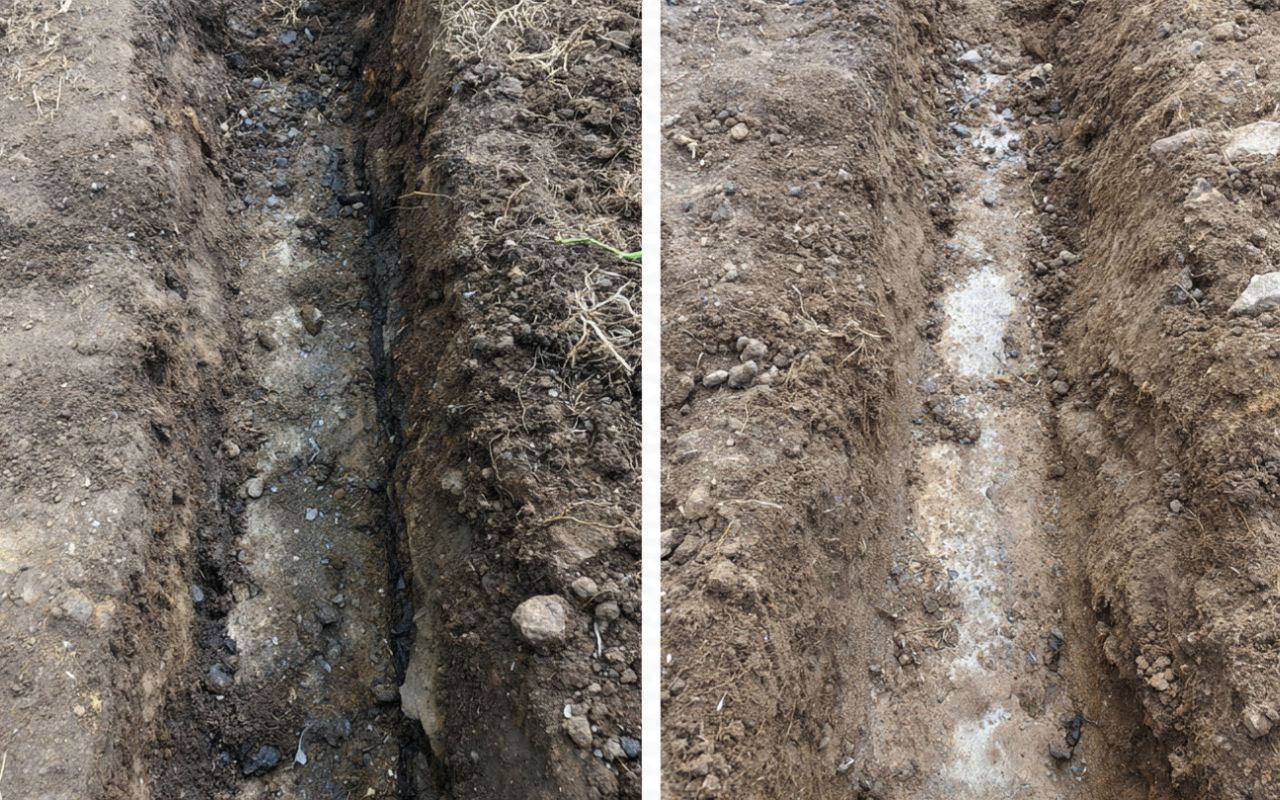
Glacial till is a mixed layer with many particle sizes. Since it is often packed tight, water may struggle to move through it. Therefore, heavy rain can saturate upper soil quickly. Then, extra water may stay near the surface, causing pooling and runoff. Glacial till can be workable, but it needs smart design.
For example, you can guide water with shallow channels or planted dips. Also, you can improve the top layer with compost to help water move. If you want a proven trench option, explore French drain installation options for yards that stay soggy.
Clay Soil: Common Problems and Simple Fixes
Clay has very fine particles that stick together. Because of that, it can act like a lid when wet. So, water sits above it, and roots get less air. Also, clay can compact easily, which slows water even more. Clay can hold nutrients well, yet it often needs structure help.
To improve it, start with better soil texture near the surface. For step-by-step ideas, read how to improve yard drainage using simple changes that match local conditions.
Improve Drainage with Organic Matter
Adding compost, aged manure, or leaf mold can loosen heavy soil. As a result, it creates tiny gaps for air and water. This helps infiltration and reduces runoff. Also, healthier soil supports stronger roots and steadier moisture. Moreover, the added life in soil keeps improving structure over time.
Mix several inches into the top layer before planting. Then, refresh beds with mulch or compost each season. This ongoing habit keeps soil open and easier to work. Organic matter also helps both glacial till and clay feel less dense.
Raised Beds for Better Flow
Raised beds lift plants above heavy native soil. Therefore, you control the growing mix and drainage. Fill beds with a blend of garden soil, compost, and a bit of sand. That mix drains well, yet still holds enough moisture. Raised beds also warm sooner in spring, which helps many plants.
Use durable boards and aim for 12 to 18 inches of depth. Since beds drain faster, check moisture often. Even so, you will often see fewer puddles and healthier plants in wet areas.
Pick Plants That Match the Soil
Matching plants to soil reduces work later. In slower-draining zones, choose plants that handle wet feet at times. For example, astilbe, iris, and some ferns can do well. In better-drained spots, pick plants that prefer drier roots, like lavender or yarrow. This simple match can prevent root rot.
Also, group plants by water needs. Then, irrigation becomes easier and more even. In addition, plant choices can help stabilize soil and reduce erosion on slopes.
Drainage Systems That Move Water Away
When soil changes are not enough, drainage systems can help. French drains, dry wells, and shallow swales each move water in a controlled way. A French drain uses gravel and a perforated pipe to carry water to a safe outlet. Meanwhile, swales guide surface flow without heavy erosion.
If you want to plan slopes the right way, see yard grading and drainage guidance. Also, if you’re sizing a drain line, review how to size French drains correctly for cleaner results.
- French drains: move water under ground.
- Dry wells: store and slowly release runoff.
- Swales: guide water across the surface.
Frequently Asked Questions
What makes Kitsap Peninsula soils hard to drain?
Many yards sit over dense glacial till or clay. Therefore, water soaks in slowly and can pool after rain.
How can I tell if my yard has clay?
Clay feels sticky when wet and forms a ribbon when pinched. Also, puddles often last longer in clay spots.
Does adding compost really help drainage?
Yes. Compost opens small spaces in soil, so water and air move better. As a result, roots stay healthier.
Are raised beds a good option in wet yards?
Yes. Raised beds lift roots above heavy soil. Therefore, plants get better airflow and steadier moisture control.
When should I install a French drain?
If ponding keeps returning after basic fixes, a drain can help. Also, it works well near patios or low spots.
Year-Round Habits for Healthier Soil
Healthy soil needs steady care. Each fall, check soil health and add organic matter as needed. Also, mulch helps protect soil from heavy rain and compaction. In spring, loosen compacted areas and clear drain paths. Over time, these small steps keep infiltration steady.
Watch plant health and moisture levels as clues. Then, adjust with simple changes, like aerating lawns or refreshing compost. If you want help planning a yard solution, contact Moran’s Landscaping & Excavation LLC through the contact page for drainage support.
Conclusion: Better Drainage for Kitsap Peninsula Yards
Kitsap Peninsula yards often sit on glacial till and clay. However, simple testing can reveal where water gets stuck. By adding organic matter, using raised beds, and choosing the right plants, you can improve water flow. Also, drainage systems can guide runoff when needed.
With steady care, your yard can stay greener and easier to use. Soil types for Kitsap Peninsula drainage can shape better decisions, and they can reduce puddles. Soil types for Kitsap Peninsula drainage also make it easier to plan lasting fixes.