- Thu, Feb 2026
- |
- Moran's Landscaping & Excavation LLC
Retaining wall permit for Kitsap County is often simpler than it looks. However, you still need to understand permits, setback rules, and height limits. That way, you avoid delays and extra work. Moran’s Landscaping & Excavation LLC can help you plan the project so your yard upgrade stays on track.
Also, don’t overlook behind-wall drainage. Without good drainage, water can build pressure and damage the wall later. So, this guide walks you through the key steps for safe, code-friendly construction.
Understanding Local Rules for Retaining Walls
First, learn the local rules for a retaining wall permit for Kitsap County. Moran’s Landscaping & Excavation LLC often sees projects slowed by missed details. These rules help protect nearby property and improve safety. They also reduce drainage problems during wet seasons.
Next, check the county planning and development resources. You can review limits for height, placement, and build methods. If you still feel unsure, a quick call with a county planner can clear things up. As a result, you file with fewer surprises.
- Confirm which wall types need permits
- Review setback rules for your zone
- Note height limits and when an engineer is needed
- Plan drainage details early
Why Drainage Matters Behind the Wall
Behind-wall drainage is a big deal for long-term strength. When water sits behind a wall, pressure rises fast. Over time, that can cause cracks or leaning. Since Kitsap County gets plenty of rain, drainage planning should be part of every design.
Additionally, many applications for retaining wall permit for Kitsap County require clear drainage notes. Moran’s Landscaping & Excavation LLC can help you describe the drainage plan in a simple way. That can reduce plan comments and rework.
- Use gravel backfill to guide water down
- Add a drain pipe to move water away
- Include weep holes when the wall type allows
Do You Need a Permit for Your Retaining Wall?
In many cases, wall height decides if you need permits. Generally, walls over four feet often require approval. Also, walls near public areas may follow extra rules. So, measure the wall from the bottom support area to the top edge.
To decide on a retaining wall permit for Kitsap County, check the wall location too. Setback rules can change by zone. If your property has special overlays, rules may be stricter. Therefore, it helps to confirm early.
- Measure wall height using the lowest nearby ground
- Check distance to property lines for setback limits
- Review nearby sidewalks, roads, and easements
- Look for stream, wetland, or slope restrictions
What You Need for the Permit Packet
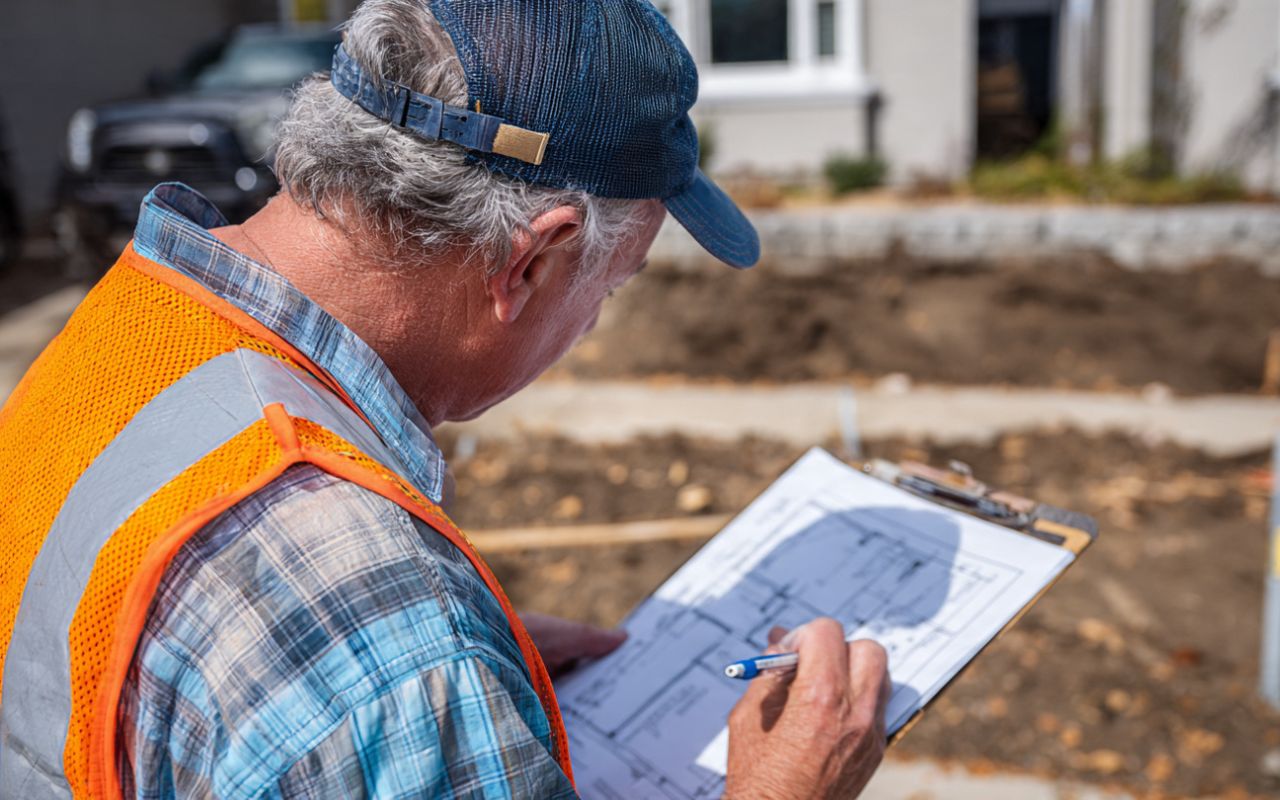
A complete packet speeds reviews. Moran’s Landscaping & Excavation LLC suggests starting with a clear site plan. Include property lines, wall location, and nearby features. Also, mark the setback distances directly on the plan.
Sometimes, you also need a simple elevation or build drawing. For taller walls, an engineer may be required. In addition, include proof of ownership. When everything is organized, reviewers can move faster and ask fewer questions.
Helpful documents to include
For a retaining wall permit for Kitsap County, these items often support your application. Even if not all are required, they can still reduce follow-up questions.
- Site plan with property lines and wall placement
- Notes showing height and materials
- Drainage sketch describing behind-wall drainage
- Topography or slope details when needed
- Engineer-stamped plan for larger walls
Submitting the Application the Smart Way
Online filing can be faster because it keeps plans easy to track. Still, in-person filing works if you prefer paper. Either way, fill out the form carefully. Include the parcel number, job address, and a clear work summary. Then, you can track updates with the file number.
Also, reply quickly to any review notes. That habit can shorten the overall review time. Moran’s Landscaping & Excavation LLC can support you by keeping plans clear and easy to read. As a result, the process feels less stressful.
Setback limits decide how close you can build to a line, road, or easement. Because rules vary by zone, it helps to check your zoning map first. Then, you can place the wall where it fits best. That way, you avoid redesigns.
Height limits matter too. If your wall is tall, you may need extra review. Therefore, consider using two shorter terraces instead of one tall wall. Moran’s Landscaping & Excavation LLC often designs terrace layouts that look great and stay within rules.
Common Problems That Slow Approvals
Missing details are the top reason for delays. For example, plans may lack clear wall height, materials, or drainage notes. So, label everything. Also, make sure drawings match the site plan. When reviewers can follow the plan easily, approvals are smoother.
Another issue is unclear property lines. If your map is old, the county may ask for a new survey. While that adds time, it can prevent future disputes. Therefore, confirm boundaries early when the wall sits near a line.
Frequently Asked Questions
What is the main trigger for a retaining wall permit?
Usually, wall height triggers permits. However, location near public areas may add more rules.
How does setback affect my wall design?
Setback rules limit how close the wall can be to lines and easements. So, placement matters early.
Why do reviewers care so much about drainage?
Because water pressure can damage walls. Therefore, behind-wall drainage helps prevent failures and repairs.
Do I need an engineer for every wall?
No, not always. Still, taller walls may require stamped plans, depending on the final design.
Can I speed up my permit review?
Yes. Submit clear plans, include required details, and respond quickly to comments.
Inspections and Final Sign-Off
Inspections confirm the wall matches approved plans. Often, you need a check before backfilling. Then, you schedule a final check after the wall is complete. Keep plans on site so the inspector can compare the work.
Also, document drainage installation. That includes the pipe, gravel, and outlets. This step supports long-term performance. Moran’s Landscaping & Excavation LLC can guide you through each stage so you meet inspection needs.
Explore Moran’s Retaining Wall Services in Your Area
If you want expert help, Moran’s Landscaping & Excavation LLC offers retaining wall planning and builds. For example, you can review retaining wall services in Bainbridge Island, WA to see local options. Also, explore retaining wall services in Poulsbo, WA for nearby support.
Additionally, if you’re south of Kitsap, review retaining wall services in Gig Harbor, WA. Or, if you are still deciding, read different types of retaining walls to match style and function.
Wrap-Up: Build with Confidence
Retaining wall permit for Kitsap County is easier when you plan early. Focus on permits, setback rules, and height limits from the start. Also, treat behind-wall drainage as a must-have feature. That way, your wall stays strong in wet seasons.
When you are ready to move forward, connect with Moran’s Landscaping & Excavation LLC for next steps. Visit the contact page to discuss your site and goals.