
- Wed, Aug 2026
- |
- Moran’s Landscaping & Excavation LLC
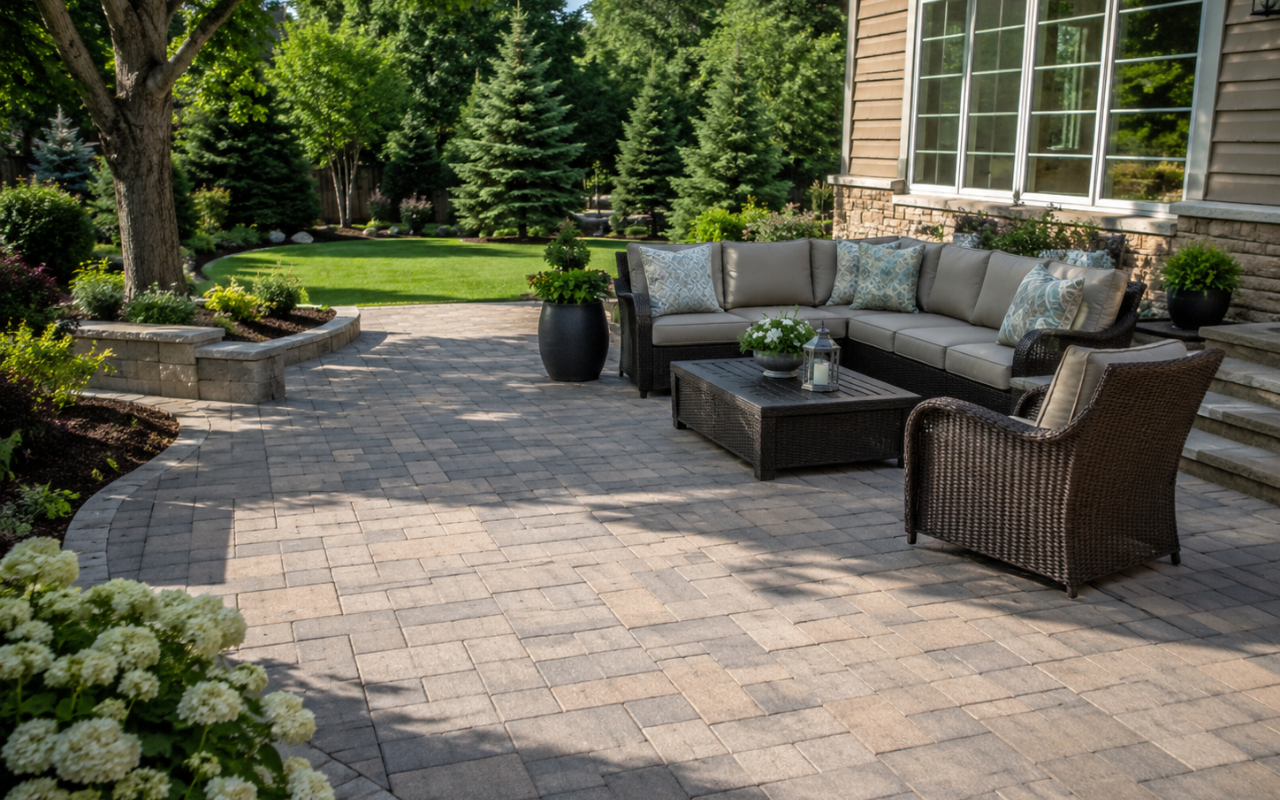
Paver patio installation can turn a plain yard into a calm and useful place. However, the best results start before the first stone is set. A clear plan helps you match the patio to your home, daily needs, and long-term goals.
At Moran’s Landscaping & Excavation LLC, we guide homeowners through each choice with care. From layout and materials to base work and water flow, every step supports a safer, stronger, and more welcoming outdoor area.
Pick Paver Materials That Match Your Outdoor Lifestyle
Concrete, brick, and natural stone each create a different look. Concrete offers many shapes and colors, while brick feels warm and classic. Natural stone adds rich texture, although it may need more care over time.
- Choose textured surfaces for better grip in wet weather.
- Match paver colors with your home and garden.
- Consider local rain, frost, and daily foot traffic.
Our Gig Harbor paver services page explains how local conditions can shape material choices. As a result, you can select a surface that looks good and performs well.
Plan a Layout That Supports Everyday Outdoor Living
Start by deciding how you want to use the patio. You may need space for meals, quiet seating, a fire feature, or family gatherings. Then, measure the yard and mark simple zones before choosing the final shape.
Good outdoor living design ideas balance movement, comfort, and open space. Straight lines often feel modern, while curves create a softer mood. Our Kitsap County patio design ideas can help you compare styles that fit your property.
Prepare a Stable Base Before Setting Any Pavers
Strong patio base preparation begins with removing grass, roots, and loose soil. Next, the area must be graded and packed in layers. This work helps stop sinking, uneven spots, and movement after heavy rain or regular use.
- Excavate to the correct depth for the site.
- Add crushed stone in firm, even layers.
- Compact each layer before adding bedding sand.
During paver patio installation, this hidden foundation matters as much as the visible surface. Our complete installation process shows how careful groundwork supports a longer-lasting patio.
Control Water Flow to Protect Your Patio Surface
Proper drainage under pavers keeps water from weakening the base. Usually, the patio should slope gently away from the home. This simple step moves rain toward a safe area and lowers the risk of pooling near walls.
Gravel edges, drains, or permeable sections may also improve water control. At Moran’s Landscaping & Excavation LLC, we look at the full yard before setting the slope. Therefore, the finished surface works with the land instead of against it.
Add Patterns and Borders for a Personal Finish
Patterns can make a simple patio feel custom. Herringbone adds movement, running bond feels clean, and mixed-size layouts create a relaxed look. Borders also define edges and can separate dining, seating, or fire areas.
- Use one main pattern to keep the design calm.
- Add a border in a soft contrasting color.
- Test a small section before final placement.
You can also compare flagstone and paver options before choosing the final style. This helps your paver patio installation feel connected to the rest of the yard.
Secure Every Paver for Long-Term Strength and Beauty
Edge restraints help keep the layout tight. After placement, joint sand fills the spaces between pavers and supports the surface. A plate compactor then settles the units into the bedding layer for a flatter result.
Careful finishing also reduces weeds and loose edges. Because each step affects the next, rushing can lead to gaps or movement. Our team checks alignment, joint fill, and edge support before the patio is ready for regular use.
Frequently Asked Questions
How long does a paver patio project take?
A paver patio installation timeline depends on size, access, weather, and design details. Many small projects move quickly, while larger layouts with drainage or added features need more planning and work.
What makes a patio base strong?
A strong base uses the correct excavation depth, packed crushed stone, and an even bedding layer. Good patio base preparation also includes proper grading for water flow.
Can pavers handle heavy rain?
Yes, when the base and slope are built correctly. Effective drainage under pavers helps water leave the area before it can weaken the foundation.
Should I seal my new patio?
Sealing is optional, but it can support easier cleaning and richer color. The right choice depends on the paver type, finish, and care plan.
How do I choose the right contractor?
When searching for a paver patio contractor near me, review local work, ask about base methods, and confirm how drainage will be handled.
Bring Your Patio Vision to Life With Confidence
A successful paver patio installation blends design, solid groundwork, and careful finishing. With Moran’s Landscaping & Excavation LLC, you receive clear guidance from the first idea through the final walk-through.
Ready to begin paver patio installation? Visit our patio project contact page to share your goals. Together, we can plan a patio that feels natural, useful, and built for years of enjoyment.