
- Wed, Aug 2026
- |
- Moran’s Landscaping & Excavation LLC
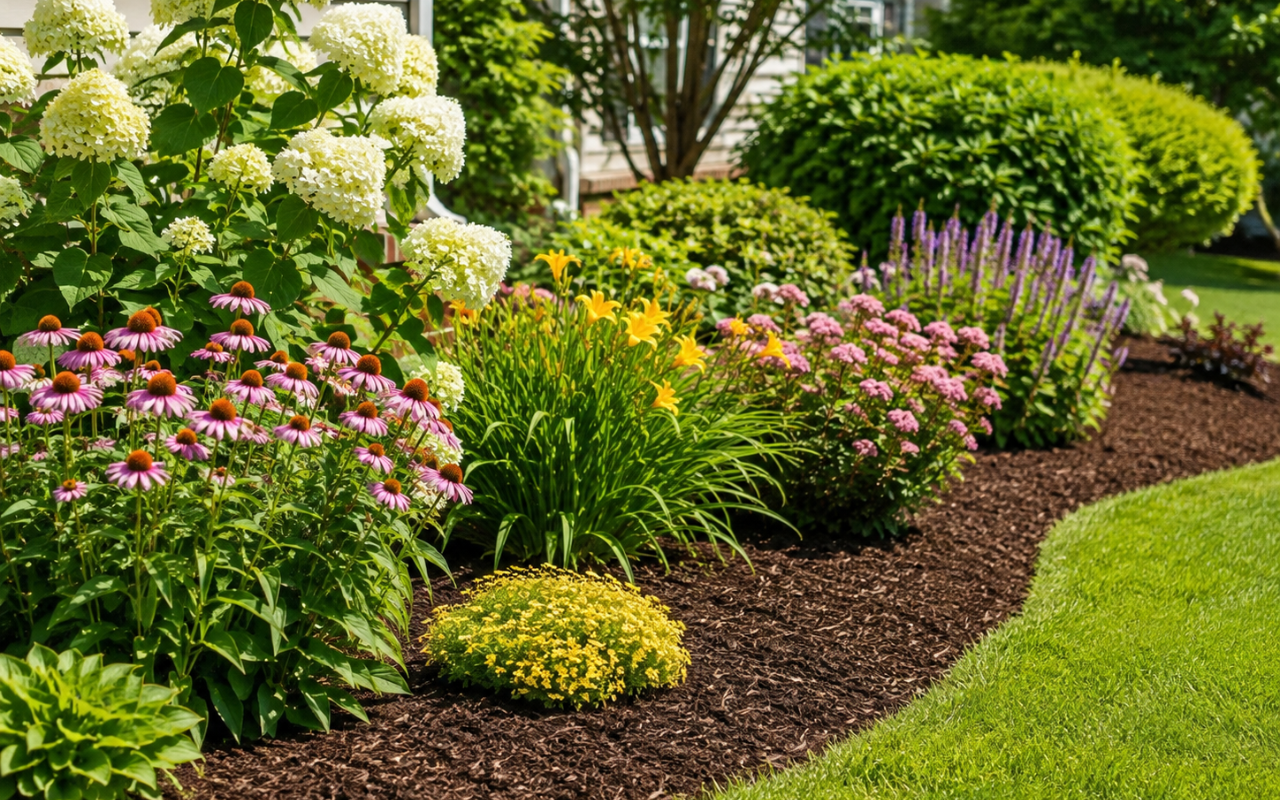
Mulch benefits for summer gardens can make outdoor care easier during hot weather. At Moran’s Landscaping & Excavation LLC, we use mulch to protect soil, support healthy plants, and reduce daily work without changing the natural look of your yard.
With the right material and depth, mulch can improve flower beds, slow water loss, and limit weed growth. As a result, your garden can stay cleaner, cooler, and more attractive through long summer days.
Select Mulch Types That Match Your Garden
Organic and inorganic mulch each serve a different purpose. Organic choices feed the soil as they break down, while inorganic materials last longer and need less replacement. Your best option depends on the plants, the area, and the look you want.
- Wood chips suit trees, shrubs, and natural garden areas.
- Straw works well around vegetables and young plants.
- Compost supports soil health and adds gentle nutrients.
- Gravel fits paths, borders, and dry landscape spaces.
Protect Soil Moisture During Hot Summer Weather
One of the main mulch benefits for summer gardens is better soil moisture retention. Mulch shades the ground and slows evaporation, so roots can use water for longer. Therefore, plants may need less frequent watering during dry and sunny periods.
For stronger results, water the soil before adding mulch. You can also place drip lines below the layer. Our guide to the hidden value of garden mulching explains how this simple step supports healthier outdoor spaces.
Reduce Weeds Without Constant Pulling And Spraying
Mulch supports weed suppression by blocking light from reaching many weed seeds. When the layer is even, small weeds have less room to grow. This can lower the time you spend pulling unwanted plants from beds and borders.
- Remove visible weeds before spreading new mulch.
- Keep the layer close to three inches deep.
- Fill thin areas after rain or strong wind.
- Pull new weeds before they produce more seeds.
Keep Plant Roots Cooler And More Stable
Root temperature control is important when summer heat becomes intense. Mulch acts like a light cover over the soil, helping roots avoid sudden heat changes. At night, it also slows quick temperature drops around more sensitive plants.
Lighter mulch can reflect more sunlight, while darker material may hold more warmth. For simple planting ideas that need less care, visit our practical low-maintenance landscape ideas.
Apply Mulch Correctly Around Beds And Trees
Correct placement helps mulch work well without harming plants. First, clear weeds and loose debris. Next, spread the material in a smooth layer about two to three inches deep. Finally, keep mulch away from stems, trunks, and plant crowns.
- Water dry soil before you begin.
- Spread mulch evenly across the open ground.
- Leave a small gap around every plant base.
- Rake the surface for a clean finish.
Our team at Moran’s Landscaping & Excavation LLC can also help organize beds, edges, and planting areas. See our garden decoration ideas in Kitsap County for more ways to improve the space.
Maintain Fresh Mulch Through The Summer Season
Regular checks keep mulch useful and neat. After heavy rain, gently loosen packed areas with a rake. Also, replace thin spots where soil becomes visible. These small steps support steady soil moisture retention and continued weed suppression.
Watch for mold, pests, or mulch pressed against stems. If the layer becomes too thick, remove some material so water and air can reach the roots. A reliable garden maintenance service can handle these checks when your schedule is full.
Frequently Asked Questions
How deep should summer mulch usually be?
Most garden areas need about two to three inches. This depth helps control weeds and moisture without blocking water or air from reaching the soil.
Which mulch works best in flower beds?
Bark, compost, and fine wood chips often work well in flower beds. They create a clean look and can improve the soil as they break down.
Can mulch touch trunks or plant stems?
No. Leave a small open space around trunks and stems. Direct contact can hold too much moisture and may lead to rot or pest problems.
Does mulch reduce how often gardens need water?
Yes. Mulch benefits for summer gardens include slower evaporation, which helps the soil stay moist longer. Always check below the mulch before watering again.
When should old mulch be replaced?
Replace or refresh mulch when the layer becomes thin, packed, or uneven. Organic mulch may need a light top-up once or twice each year.
Build A Healthier Garden With Less Work
Mulch benefits for summer gardens include easier watering, fewer weeds, safer root temperatures, and cleaner planting areas. These mulch benefits for summer gardens support strong plants while reducing many common summer garden tasks.
With Moran’s Landscaping & Excavation LLC, you can plan a practical outdoor care routine that fits your property. Review our complete landscaping support on Bainbridge Island, or reach out our team to discuss your needs.