
- Wed, Nov 2025
- |
- Moran's Landscaping & Excavation LLC
Although homeownership in Kitsap County feels rewarding, small cracks can appear. However, Repairing Minor Wall Cracks is simple with clear steps and patience.
Moreover, changing humidity and temperatures can stress walls. Therefore, with the right methods, you can restore smooth finishes quickly.
Identifying Minor Wall Cracks in Kitsap County
First, walk through your rooms with a flashlight held at an angle. Next, check windows, doors, and ceiling corners for thin lines.
Additionally, measure widths and note patterns. Consequently, hairline, vertical, or diagonal lines usually indicate normal settling, not structural failure.
Understanding Local Weather Impacts
Because Kitsap County has damp winters and warm spells, materials expand and contract. Therefore, tiny splits may appear across painted surfaces.
Furthermore, by managing indoor humidity with fans and dehumidifiers, you reduce stress on joints. Thus, small flaws occur less often.
Essential Tools and Materials
Before starting, gather simple, reliable supplies. Meanwhile, pick user-friendly options that sand cleanly and dry fast.
- Putty knife and fine-grit sandpaper
- Painter’s tape and a utility knife
- Premixed spackling or lightweight joint compound
- Damp sponge or cloth for cleanup
- Small roller and trim brush for blending
Preparing the Surface for Success
First, score along each crack to remove loose paint or dust. Then, brush debris away to create a clean groove.
- Carefully widen tiny gaps for better filler grip
- Wipe with a damp sponge, and let the area dry
- Mask nearby trim with painter’s tape
Choosing the Right Repair Method
For hairline openings under 1/16 inch, select paint-grade spackle. However, for wider lines up to 1/4 inch, use joint compound.
Additionally, for repeating cracks, apply fiberglass mesh tape first. Thus, the repair gains strength and resists future movement.
Step-by-Step Guide to Patching
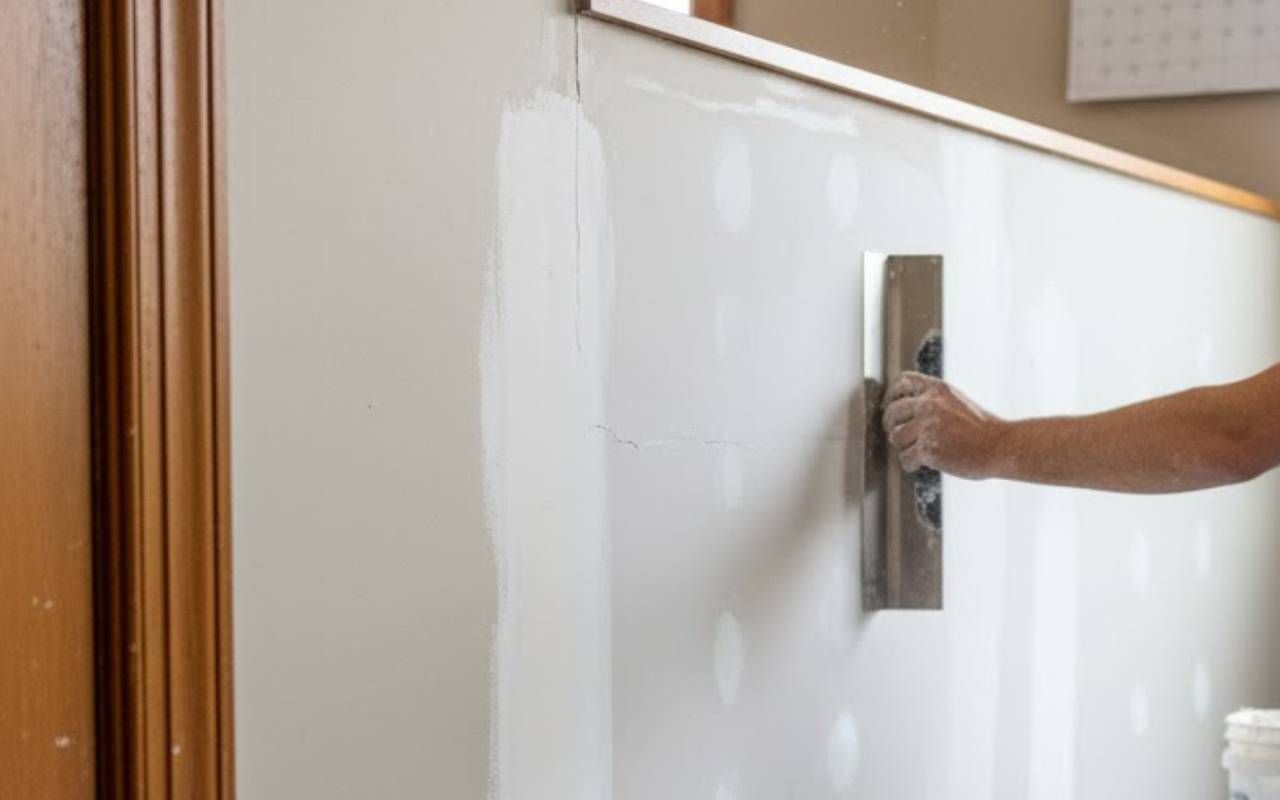
- Gently press compound into the groove without trapping air
- Moreover, smooth the surface slightly proud of the wall
- Then, let it dry fully, and apply a thin second coat
- Finally, feather edges for an invisible transition
Consequently, Repairing Minor Wall Cracks becomes a clean, predictable routine. Therefore, results improve with light layers and patience.
Sanding and Smoothing Like a Pro
After drying, sand with light, circular motions. Moreover, stop once the patch feels even with surrounding paint.
Then, remove dust with a soft brush or cloth. Thus, fresh coatings will adhere evenly and look consistent.
Painting and Blending the Repair
Because primer seals filler, start with a thin primer coat. Next, extend slightly beyond the patch to help blending.
Additionally, roll on two light paint coats, feathering edges. Therefore, Repairing Minor Wall Cracks ends with seamless color and finish.
Prevention Tips for Kitsap County Homes
- Maintain steady indoor humidity with fans and dehumidifiers
- Close windows during heavy rain to reduce moisture indoors
- Inspect twice yearly and spot-repair early
Moreover, simple routines keep surfaces stable. Consequently, you will avoid repeat fixes and protect your paint.
Related Retaining Wall Services in Your Area
Additionally, if your outdoor walls need care, consider local help. Therefore, explore these nearby services for sturdy results.
Furthermore, these options complement Repairing Minor Wall Cracks indoors. Thus, your property stays beautiful inside and out.
Frequently Asked Questions
How do I know a crack is only cosmetic?
Typically, hairline or diagonal lines under a quarter inch are cosmetic. However, unusual stair-step patterns deserve a pro’s look.
Should I use spackle or joint compound?
For tiny gaps, choose spackle. Meanwhile, for wider cracks up to 1/4 inch, select lightweight joint compound for better filling.
Do I need mesh tape on every crack?
No. However, use mesh on recurring lines or areas with movement. Consequently, the repair remains stronger over time.
When can I sand after filling?
Usually after complete drying per product label. Additionally, light sanding prevents gouges and keeps the surface consistent.
How can I prevent new cracks?
Maintain steady humidity, ventilate showers, and inspect seasonally. Therefore, small issues stay small, and finishes last longer.
Maintaining Your Home’s Beauty in Kitsap County
Ultimately, Repairing Minor Wall Cracks protects value and comfort. Moreover, steady care prevents repeats and preserves clean lines.
Finally, for outdoor projects or larger concerns, contact us. Consequently, Repairing Minor Wall Cracks stays easy, efficient, and budget-friendly.