
- Thu, Oct 2025
- |
- Moran's Landscaping & Excavation LLC
Tackle the challenge of protecting your Kitsap County home from water damage with strategic foresight. A well-designed french drain isn’t just a preventive measure; it’s an integral part of your home’s resilience against the relentless Northwest rains. When considering french drain design, especially around crucial areas like retaining-wall wall drain placement, understanding the right trench depth can spell the difference between a dry, secure home and a waterlogged disaster.
Navigate the complexities of french drain installation with confidence, knowing that every detail counts, from the gradient of your trenches to the precise placement of your wall drains. Kitsap County’s unique topography and climate demand a tailored approach, ensuring that water is effectively diverted away from your foundation. As you delve into the nuances of french drain design, equip yourself with the insights necessary to safeguard your property, transforming potential water woes into a well-managed landscape harmony.
Importance of French Drain Design for Kitsap Homes
Effective water management around the foundation is a critical concern for homeowners in Kitsap County. The region’s heavy seasonal rains and clay-rich soils create ideal conditions for water to accumulate against structures, potentially leading to basement flooding, foundation cracking, and mold growth. A custom french drain system mitigates these risks by channeling groundwater away from vulnerable areas. Proper design ensures that the system handles both surface runoff and springs that may emerge during prolonged wet periods.
- Protects structural integrity and foundation.
- Prevents hydrostatic pressure on retaining walls.
- Reduces water pooling in low-lying areas.
By investing in a thoughtfully designed french drain, property owners not only protect the structural integrity of their homes but also preserve landscaping and hardscape features. A comprehensive design that accounts for trench depth, slope, and retaining-wall wall drain placement prevents water from pooling in driveways and gardens. To explore more on improving yard drainage, visit How to Improve Drainage in Your Yard.
Understanding Wall Drain Placement
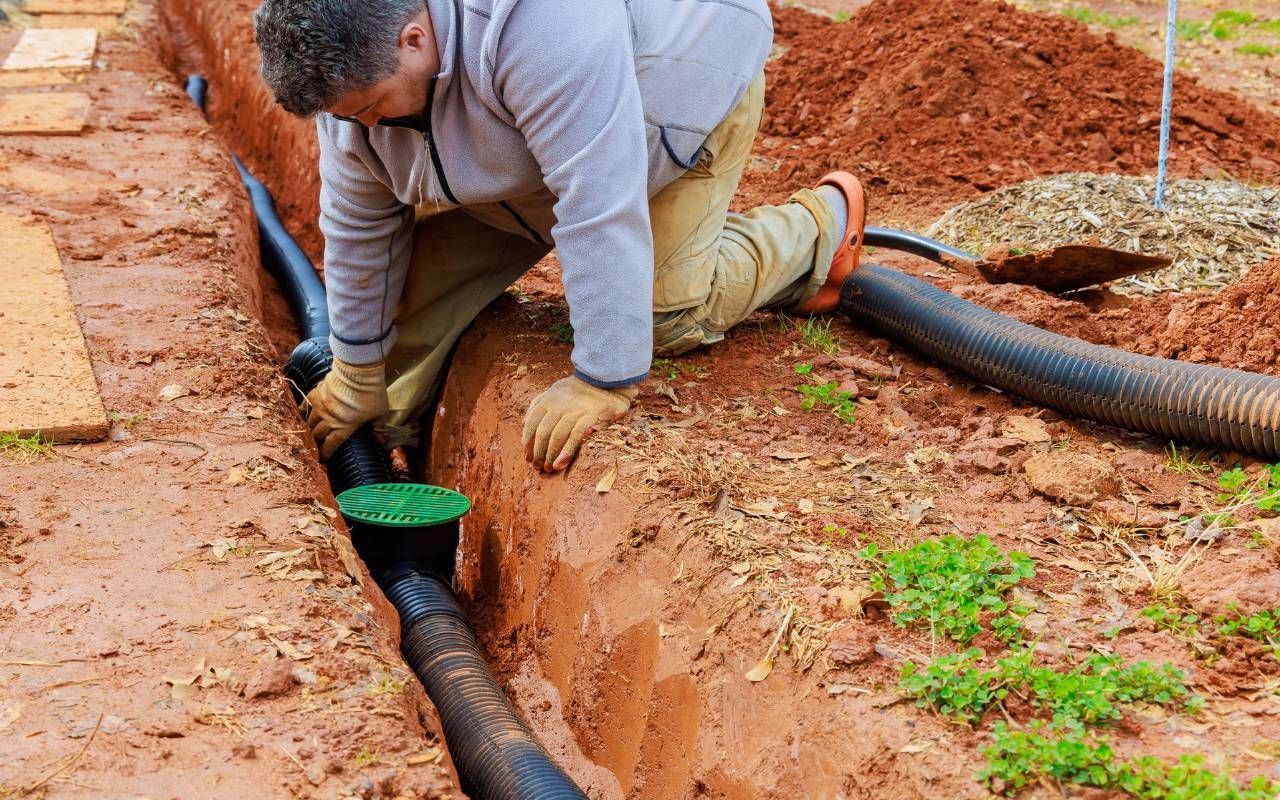
Strategic wall drain placement is the linchpin of any successful french drain system in Kitsap County. Positioning drains at the base of retaining walls or foundation walls allows accumulated water to enter the drain efficiently before it can compromise structural elements. Wall drains must be placed at a uniform depth and incline to sustain a continuous flow toward an outlet, such as a daylight point or stormwater connection.
Incorporating retaining-wall wall drain placement into a french drain design requires evaluating wall height, soil pressure, and expected water volume. Placing perforated pipe close to the wall’s footing captures seepage at its most vulnerable point, alleviating pressure and extending the wall’s service life. Learn how to manage wall drainage effectively in Yard Grading and Drainage Solutions.
Factors Influencing Wall Drain Placement
Several site-specific factors dictate the optimal location for wall drains in a french drain system. Soil composition, groundwater table height, and slope gradient are primary considerations. Sandy soils drain naturally, while clay or silt can restrict flow, requiring deeper or wider trenches. The height of the water table in Kitsap County can fluctuate seasonally, making it crucial to position drains low enough to intercept water before it saturates the soil against retaining walls.
- Soil type and permeability.
- Seasonal groundwater fluctuations.
- Local building codes and boundaries.
Additionally, the intended use of surrounding landscapes—such as garden beds or patios—can impact drain placement. In areas with heavy foot traffic, you’ll need to ensure sufficient cover depth to protect the perforated pipe. Collaborating with professionals ensures that your retaining-wall wall drain placement complies with Kitsap County requirements.
Best Practices for Determining Trench Depth
Establishing the correct trench depth for a french drain involves balancing water capture efficiency with installation cost and site constraints. A deeper trench increases the drain’s capacity to intercept subsurface water, but can also raise excavation costs. In Kitsap County, it’s advisable to dig trenches below the local frost line to prevent freeze-thaw cycles from disrupting performance.
Moreover, the trench must maintain a consistent slope—typically a 1% to 2% grade—to facilitate gravity-driven flow. Too steep, and you risk rapid flow and sediment buildup; too shallow, and water may stagnate. To learn how to install an efficient drainage system, check out How to Install Lawn Drainage.
FAQs About French Drain Systems
How deep should a french drain be in Kitsap County?
Typically, trenches are between 18 and 36 inches deep, depending on soil type and groundwater levels.
Where should wall drains be placed for best results?
Wall drains should be placed near the base of retaining walls to collect water before it reaches structural areas.
Can I install a french drain myself?
Yes, DIY installation is possible with proper planning, but professional help ensures long-term efficiency and code compliance.
How often should a french drain be inspected?
Inspect at least once per year and after heavy rain to confirm water is flowing correctly through the outlet.
What type of gravel is best for french drains?
Use clean, angular gravel for better water filtration and pipe support, typically between ¾ and 1 inch in diameter.
Ensuring Proper Water Diversion
Beyond trench depth and wall drain placement, the outlet location is crucial for a functioning french drain. Water must exit in an area that won’t cause erosion or ponding. Employing a combination of daylighted outlets, emitters, and swales can disperse water gradually. Regular inspection guarantees that diverted water continues to flow properly.
Professional vs. DIY Installation Considerations
Deciding between a professional installation and a DIY approach depends on project complexity and budget. Licensed contractors bring expertise in grading, permits, and best practices for trench depth and retaining-wall wall drain placement. To discuss your drainage project with professionals, visit Contact Moran’s Landscaping LLC today.
Maintenance Tips for Long-Term Drainage Efficacy
- Flush inlet grates regularly.
- Inspect outlets after heavy rainfall.
- Hydro-jet pipes every few years.
Regular maintenance keeps your french drain performing efficiently, preventing clogs and backflow during storms. Addressing issues promptly ensures your home remains dry and protected.
Securing Your Kitsap Home Against Water Damage
Implementing a well-designed french drain tailored to Kitsap County’s weather and terrain is essential for safeguarding your property. By carefully considering retaining-wall wall drain placement and trench depth, you create a robust defense against water-related issues. Whether you enlist professional help or handle it yourself, ongoing maintenance ensures your home remains secure throughout every rainy season.