
- Fri, Aug 2025
- |
- Moran's Landscaping & Excavation LLC
As the crisp autumn air begins to whisper through the trees and colorful leaves cover the ground, it’s time to think beyond raking. While flowers and foliage get plenty of attention, there’s a lesser-known strategy that prepares your lawn for lush spring growth. That strategy is fall lawn aeration. This simple step sets your lawn up for success by promoting deep-root growth and resilience. Fall lawn care in Poulsbo benefits greatly from this seasonal practice. Ultimately, fall lawn aeration benefits your turf’s structure and health in multiple ways.
The Importance of Fall Lawn Aeration
Fall is ideal for aeration because your lawn is recovering from summer heat and preparing for dormancy. During this time, roots absorb nutrients efficiently. In compacted clay soils like those in Poulsbo, fall lawn aeration benefits are especially important. Aeration removes plugs of soil, allowing nutrients and water to reach roots more easily.
Since cooler temperatures and more moisture promote healing, your grass can regenerate without heat stress. This practice supports overseeding and fertilization efforts as well. Seeds settle into loosened soil, and fertilizer penetrates deeper. Consequently, spring green-up happens faster and with better density.
Benefits of Aeration on Nutrient Absorption
Fall lawn aeration benefits include deeper nutrient penetration and better absorption.
Compacted soil and thatch block fertilizer from reaching roots. Aeration removes these obstacles. This allows nutrients to feed the root zone directly.
Also, nutrient distribution becomes more uniform after aeration. Each granule of fertilizer makes contact with more soil, ensuring consistency.
Moreover, in acidic Poulsbo soils, rain can wash away minerals. Aeration helps retain essential nutrients. This prevents deficiency and promotes turf health all year.
Greener blades and stronger roots are another result. Nutrients move deeper, building a robust and vibrant lawn structure.
Lastly, routine aeration ensures long-term nutrient access. It clears pathways, keeps your lawn healthy, and reduces the need for chemical corrections.
Enhancing Root Development Through Aeration
Roots need room to grow. Fall lawn aeration benefits root systems by encouraging them to expand downward and outward.
In areas like Poulsbo, storms compact topsoil. Aeration opens pockets in the earth where roots can grow freely. Deeper roots reach water stored far below the surface. This also increases lawn density, making it harder for weeds to take over.
Fall aeration gives your grass the space it needs to build strength for spring recovery. You’re investing in its ability to rebound with energy and color.
Improving Airflow and Oxygenation in Your Lawn
Roots require oxygen to function. Without it, microbes die, and grass health declines. Soil compaction blocks airflow. Fall lawn aeration benefits include increased oxygen access where it matters most—at the root tips.
Better oxygen levels activate microbial life. These organisms break down thatch and improve soil texture. With time, your lawn becomes healthier naturally. Even better, aeration boosts soil fertility without relying on synthetic treatments.
Strategic fall prep, like mowing properly and timing your aeration with moisture levels, enhances these effects. Stronger turf enters winter prepared and bounces back faster in spring.
Addressing Soil Compaction Issues
Over time, walking, mowing, and rainfall compress your soil. This limits water infiltration and root expansion. Fall lawn aeration benefits your yard by loosening these compacted areas.
Poulsbo’s clay-rich soils make compaction a major concern. Aeration helps correct this by mechanically opening space within the soil. The result is better water movement, reduced pooling, and healthier growing conditions year-round.
Increasing Drought Resistance with Aeration
Though fall may be wet, summer often brings drought. Preparing now helps your lawn handle future stress. Aeration encourages deeper rooting, which allows grass to tap into underground moisture reserves.
Because water penetrates more effectively, your lawn retains moisture longer. This reduces the need for frequent watering. Over time, your grass becomes self-sufficient and more resilient to drought. These fall lawn aeration benefits truly last beyond the season.
Preventing Weed Growth and Disease Spread
Thin, stressed grass invites weeds and disease. Aeration thickens turf by promoting nutrient flow and oxygen exchange. This deters weeds from establishing themselves.
Also, by breaking up thatch, aeration minimizes moisture retention at the surface. This discourages fungi and other diseases that thrive in damp environments. Healthier lawns naturally resist problems, making fall aeration a smart move for prevention.
FAQs About Fall Lawn Aeration
How often should I aerate my lawn in Poulsbo?
In Poulsbo, once a year in the fall is typically enough to keep soil conditions healthy and prevent compaction.
Can I overseed immediately after aeration?
Yes. Overseeding right after aeration improves seed-to-soil contact and increases germination success.
Does aeration work on all soil types?
Absolutely. It benefits all soil types but is especially helpful for heavy, compacted clay soils common in the Pacific Northwest.
Should I water after aeration?
Yes, consistent watering after aeration supports root growth and helps seeds germinate if you overseed afterward.
Best Practices for Fall Lawn Aeration
To get the most out of fall lawn aeration benefits, timing and technique are essential. Aim to aerate from mid-September to early November. Soil should be moist, not dry or frozen.
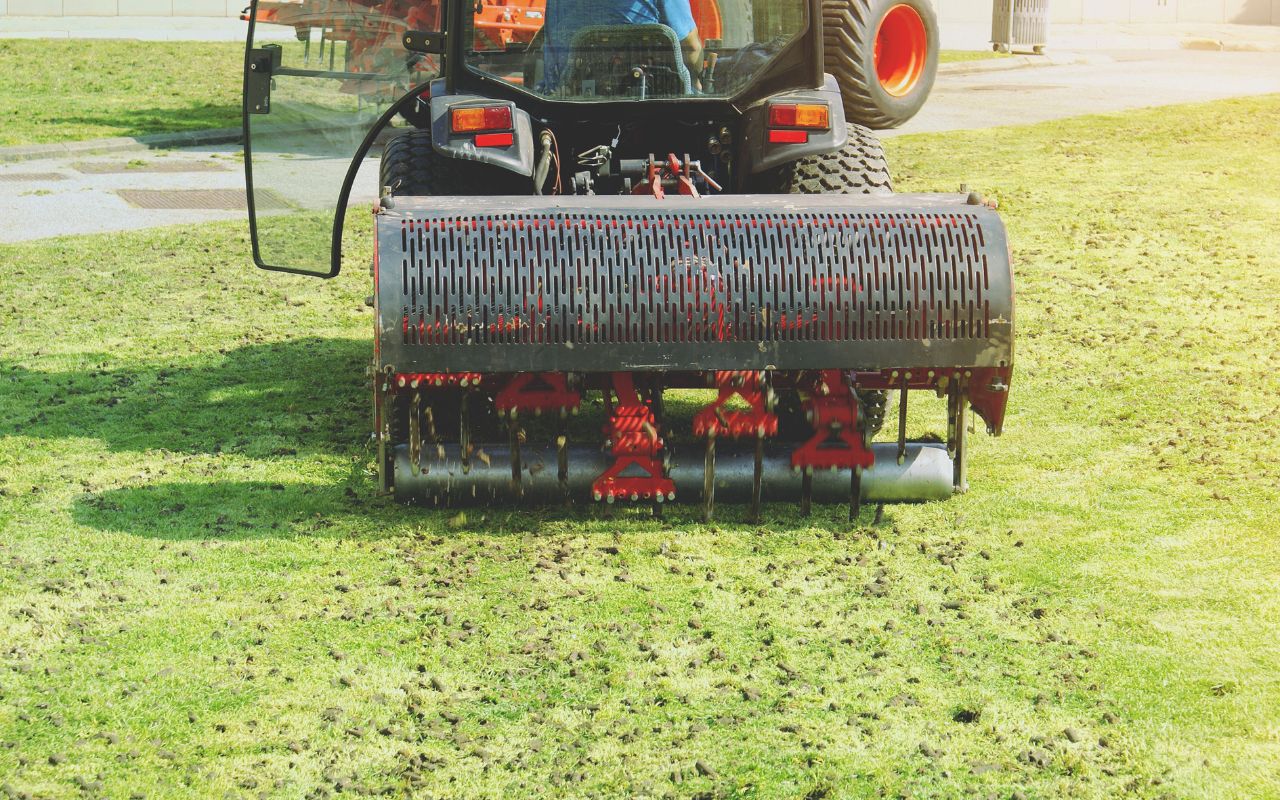
Use a core aerator that removes soil plugs 2–3 inches apart and 3–4 inches deep. This depth ensures proper relief of compaction.
After aerating, overseed and fertilize to maximize lawn health. Keep soil moist but not soggy for several weeks post-treatment. Follow your regular mowing routine, cutting no more than one-third of blade height at a time.
Achieving a Healthier and Lush Lawn through Fall Aeration
Fall lawn aeration benefits every part of your yard. It promotes stronger roots, improves airflow, and enhances nutrient access. This leads to a thick, vibrant lawn in spring.
By including aeration in your seasonal lawn care, you invest in long-term resilience and beauty. For support with aeration or any fall lawn preparation in Poulsbo, trust local expertise to guide your next steps.